
CHOOSING THE RIGHT RUGBY BALL

Immersed in the unforgiving world of rugby, every player knows that the smallest detail can be crucial. Between pinpoint passes, defensive tackles, and decisive kicks, one element stands out for its essential role: the ball. A key component in this game of power and strategy, choosing the right ball cannot be overlooked. But with the vast range of balls available, how do you find the one that best suits your needs?
Let us guide you through the essential criteria for choosing the rugby ball that will become your ally on the field and propel your game to new heights!

Leather balls
Leather rugby balls evoke the tradition and charm of the game. They are made from genuine leather, offering a pleasant feel and optimal grip. These balls are generally used in official matches due to their superior quality and unparalleled performance. However, they require regular maintenance, including greasing and proper storage, to maintain their shape and durability.

Rubber balloons
Rubber rugby balls are renowned for their durability and ability to withstand tough playing conditions. They are ideal for outdoor use, whether on dry or wet pitches. These balls are also popular with beginners or for training sessions due to their more affordable price. Their textured surface provides good grip, although it may differ slightly from that of leather balls.

Balls made of synthetic material
Synthetic rugby balls are designed for high durability while maintaining a feel similar to leather balls. They are generally wear-resistant, making them suitable for frequent use during intensive training. Their features vary by brand, but most are designed for a comfortable grip and good traction.
SIZES

Size 1
Size 1 rugby balls are the smallest available on the market. They are designed for young children, often under 6 years old, who are discovering rugby for the first time. These balls are lightweight and easy for toddlers to handle. Size 1 allows children to learn the basics of the game simply and safely. These balls are also used for recreational activities, games in the garden, or fun activities.

Size 2/Midi
Size 2 rugby balls are designed for slightly older children, typically between 6 and 9 years old. These balls are slightly larger than size 1 balls, providing a gradual transition to size 3 balls. Size 2 balls are designed to facilitate the learning of fundamental rugby skills, while also being appropriate for the size and strength of young players.

Size 3
Size 3 rugby balls are specifically designed for young players under the age of 9. These balls are smaller and lighter, making them ideal for children taking their first steps in the sport. Size 3 allows young players to better control the ball and develop their fundamental skills with confidence. The average weight of a size 3 ball is between 300 and 320 grams.

Size 4
Size 4 rugby balls are designed for players aged 10 to 14. This intermediate size offers a good balance between maneuverability and weight, allowing growing players to gradually adapt to adult-sized balls. Size 4 balls are also suitable for junior players looking to improve their technique while playing with a professional-quality ball. The average weight of a size 4 ball is between 380 and 400 grams.

Size 5
Size 5 rugby balls are the most commonly used by players aged 15 and over, including adults. This is the standard size for official matches and competitions at all levels of rugby. Size 5 balls are larger and heavier, offering greater stability in flight and a longer range. They are ideal for experienced players looking to master the game's more advanced tactics. The average weight of a size 5 ball is between 410 and 460 grams.
PREFERENCES

Weight of the ball
The weight of the ball is one of the most important preferences to consider. Some players prefer a lighter ball, as this facilitates quick passing and maneuverability. These balls are often favored by scrum-halves and backs who need to react quickly in dynamic game situations.
Other players may prefer a heavier ball, as this gives them more power when kicking or throwing into the lineout. Forwards, for example, may opt for heavier balls to maximize their strength in scrums and lineouts.
Sensation to touch
The feel of the ball is also a crucial aspect for many players. Some prefer the natural, smooth texture of leather, which offers optimal grip and a classic feel when passing and kicking.
Others might opt for synthetic balls, which offer a similar feel to leather while being more resistant to wear. Rubber balls, on the other hand, can have a rougher texture, which may suit some players for a firm grip in difficult weather conditions.

Flight trajectory
The trajectory of the ball in flight is an important factor for players who specialize in kicking. Some balls are designed to promote a more stable and predictable trajectory, while others may be more prone to variation depending on the player's technique. Kickers and field players may have different preferences depending on their kicking style and the weather conditions.
Membership
Ball grip is crucial, especially when weather conditions become difficult. The patterns and grooves on the ball's surface can improve grip, which is particularly useful when it's raining, muddy, or damp on the pitch.
Some players may place great importance on this extra grip, while others might prefer a smoother surface to facilitate quick passes.

Gilbert: A Century of Excellence in the World of Rugby
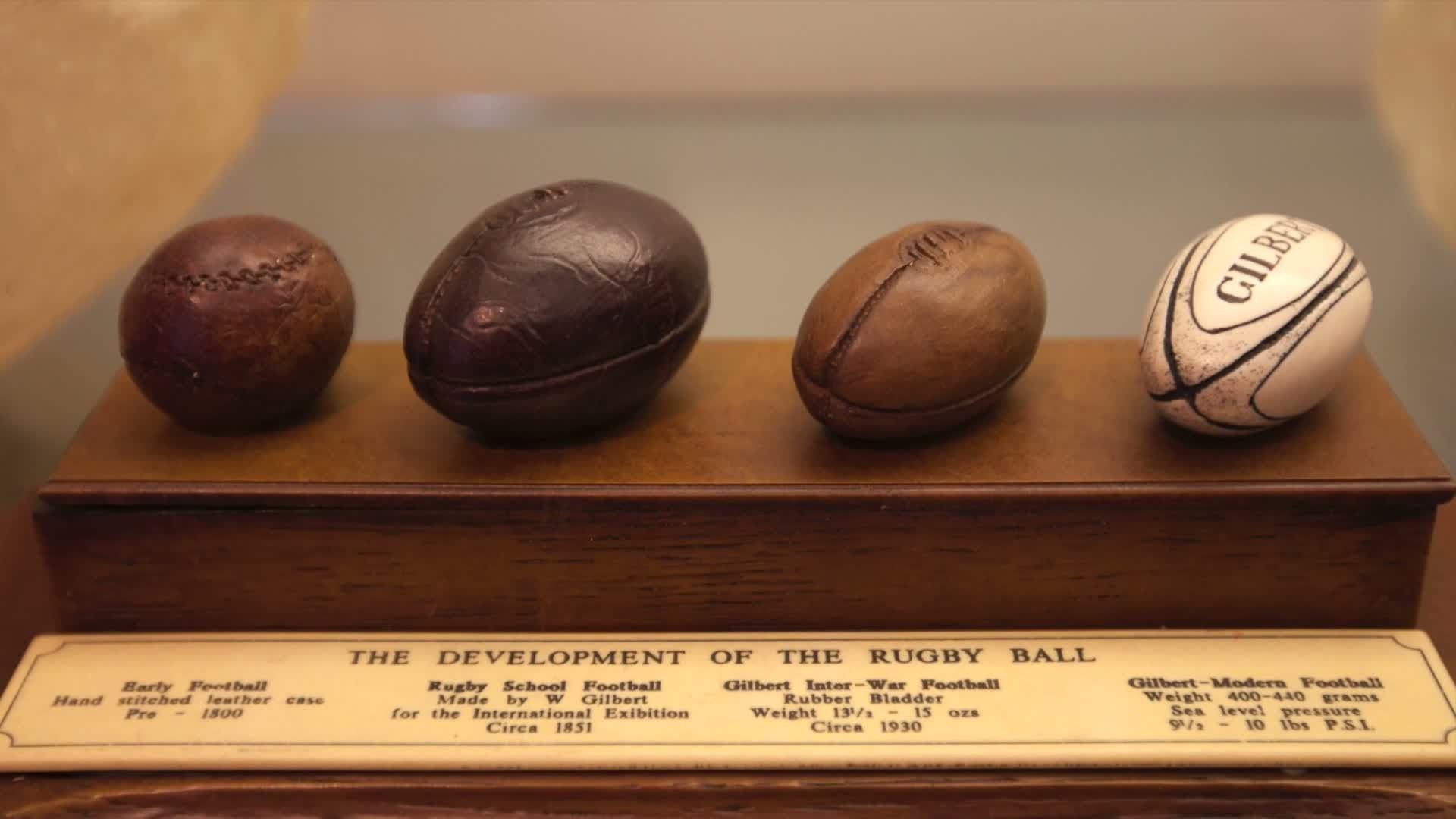
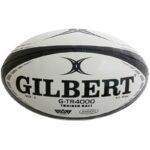
When discussing rugby balls, one brand inevitably comes to mind: Gilbert. With a history spanning over a century, Gilbert has established itself as a key player in the world of rugby by offering exceptional balls suited to all levels of play. Thanks to its outstanding craftsmanship and unwavering commitment to excellence, Gilbert has captured the hearts of rugby enthusiasts worldwide.

Heritage and tradition
Superior quality

Professionals' Choice


